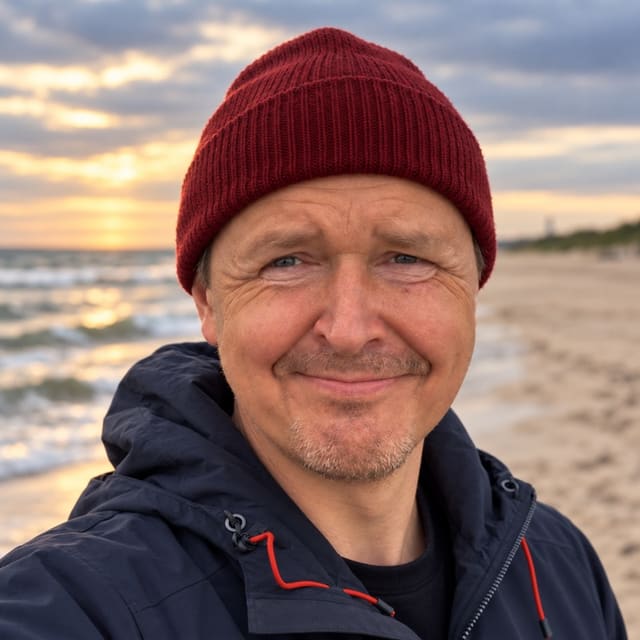
I am a sailor, yacht owner and volunteer maritime rescuer from Estonia. My interest in the everyday challenges of small harbours led me to create Mervare — and ultimately to study how harbours operate from the inside.
Founder of Mervare — https://mervare.io, an early-stage maritime platform that connects small harbours with recreational sailors.
06Erasmus+ practical trainingA Portuguese marina, April 2027.
Sailing came first. Arriving in small harbours as a sailor, I kept seeing the same thing: one person keeping track of who is arriving today, which berth is still free, whether the invoice has been paid and what weather is coming. In a small harbour, that often means one person and one phone.
That is where Mervare began. Mervare (https://mervare.io) is an early-stage maritime platform that connects small harbours with recreational sailors. It aims to improve access to harbour information, berth-related services, bookings, payments and communication, while helping harbour operators organise their work more effectively.
Building it taught me something I had not expected. Understanding the people who use a harbour was not enough. I needed to understand the people who run one: everyday operations, infrastructure, safety, maintenance, staffing, customer service and the commercial realities of keeping a harbour open.
That realisation is the direct reason I enrolled in the Small Craft Harbour Specialist vocational programme in Hiiumaa, Estonia, in September 2026.
Certificates and training
Maritime qualifications
Certificate
Estonian Small Craft Skipper Certificate
Estonian licence to skipper a small craft.
Certificate
Marine VHF Short Range Certificate (SRC)
Maritime radio operation, including distress, urgency and safety calls.
Training completed
Search and Rescue (SAR) Level I
Volunteer maritime search and rescue training.
Training completed
Search and Rescue (SAR) Level II
The next level of volunteer maritime search and rescue training.
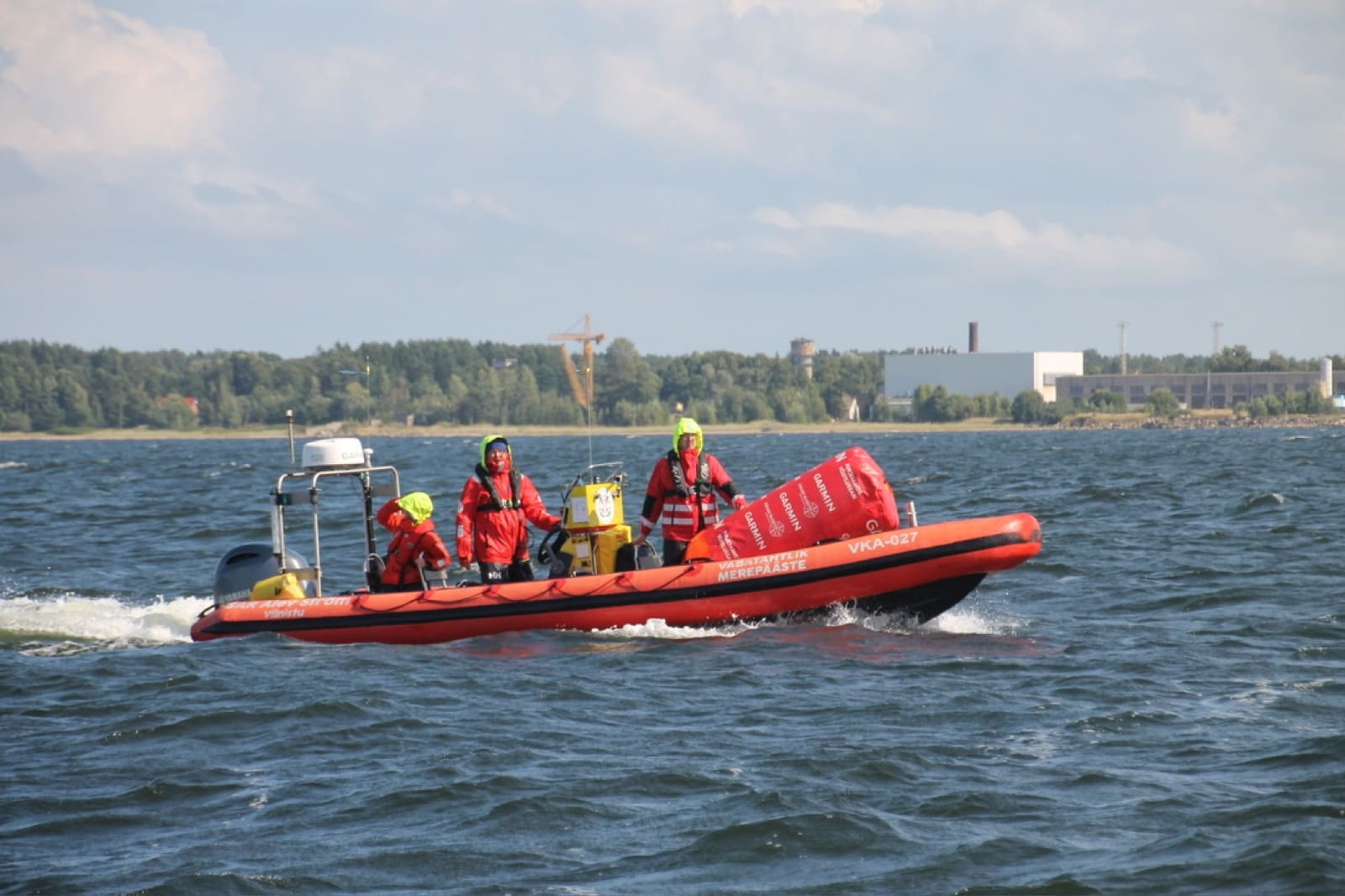
Volunteer sea rescue on the water, northern Estonia.
Volunteer maritime rescue
On the water when it matters
Juminda SAR
Regular member · Estonia
Pärispea SAR
Guest member · Estonia
Both are volunteer maritime search and rescue groups on the north coast of Estonia — community organisations whose members train to respond at sea. Membership is voluntary and unpaid.
Alongside the SAR Level I and Level II training above, being part of a rescue crew is where I have learnt the habits a harbour depends on too.
Preparedness
Training and equipment kept ready before anything happens.
Teamwork
A boat crew works as one, with clear roles.
Safety awareness
Reading weather, sea state and risk — for others and for the crew.
Emergency communication
Calm, correct radio procedure when it matters.
Responsibility
Showing up, and finishing what the crew starts.
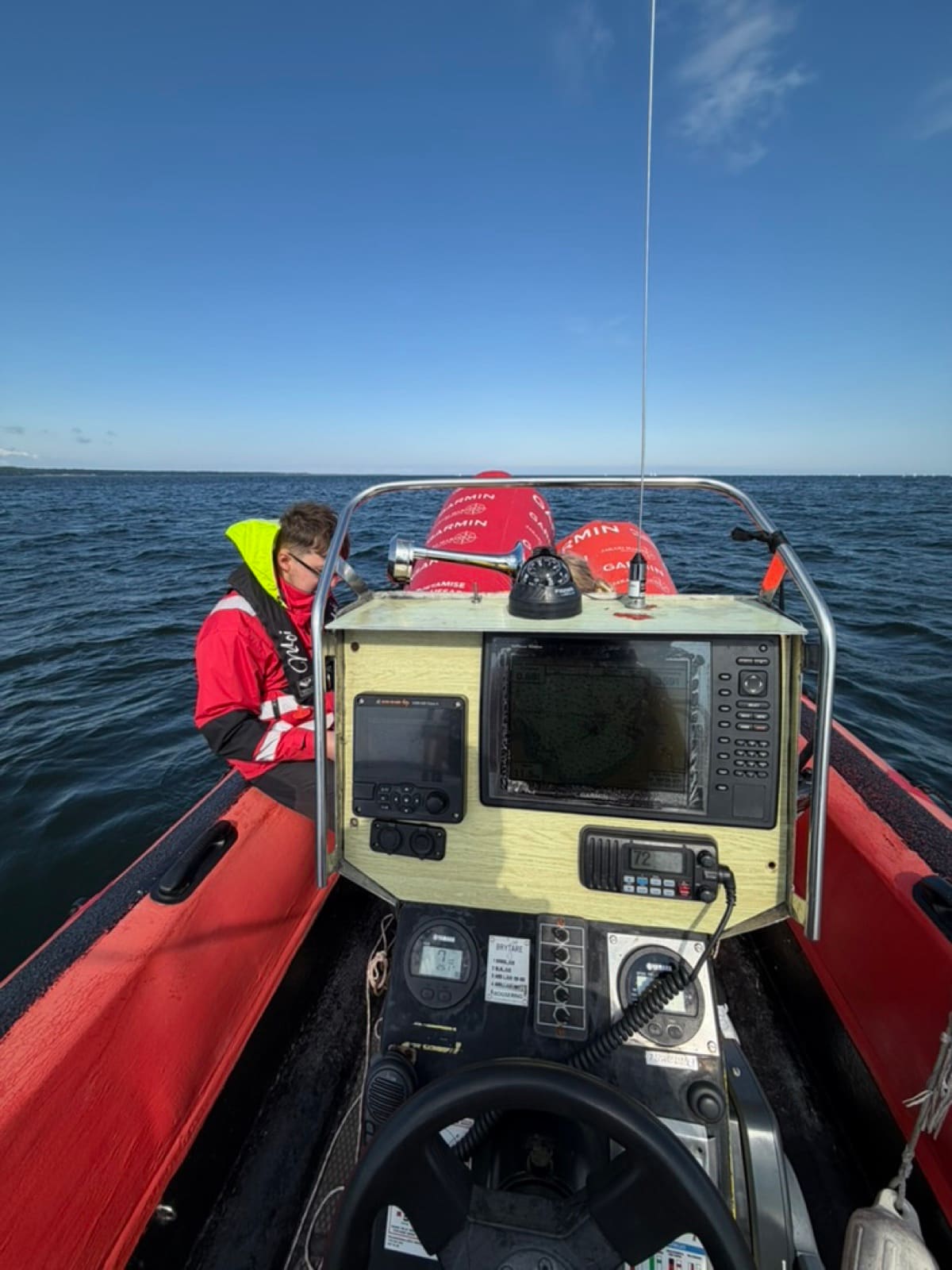
At the console of a rescue boat: chart plotter, compass, VHF.
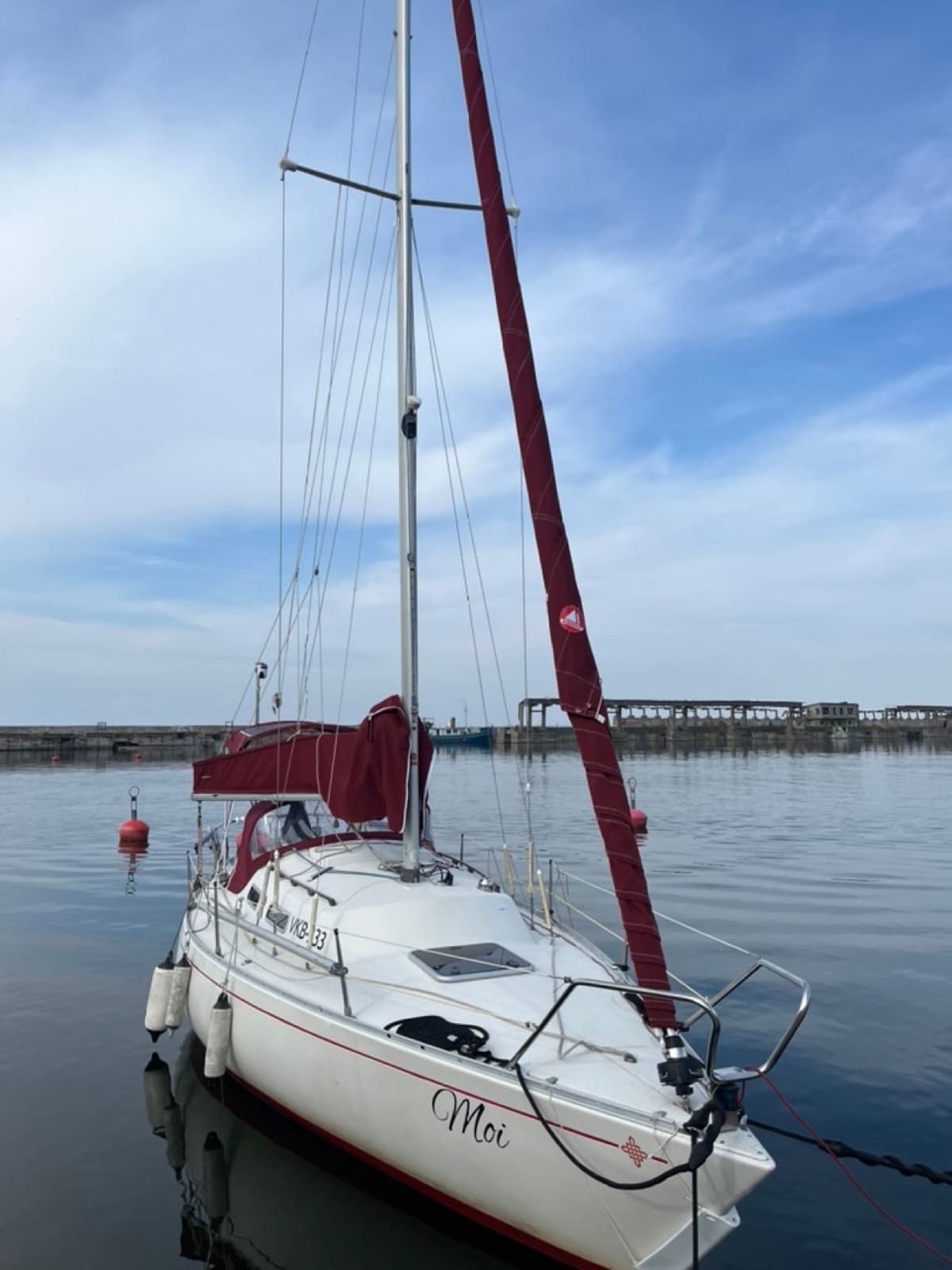
Moi, an Albin Accent 26, in her home port of Hara.
Sailing
Moi — Albin Accent 26
Vessel
Albin Accent 26, a 26-foot sailing yacht
Home port
Hara Harbour, northern Estonia
Role
Owner and skipper
Experience
About 2,000 nautical miles under the keel so far.
Moi is where my maritime life is practical. Owning and sailing my own yacht has taught me harbours from the water side: what a crew needs when it arrives, what makes a berth easy or hard to take, and how much a clear answer from the harbour office matters.
Sailed the Muhu Väin Regatta aboard Moi.
Volunteer organiser of the Hara Regatta — time on the harbour side, not only the water side.
Sailing and navigation
Handling the boat and keeping track of where she is.
Passage planning
Weather, distances, ports of refuge and timing before leaving.
Berthing and mooring
Coming alongside and mooring safely, including in unfamiliar harbours.
Vessel care and maintenance
Season-to-season care that keeps a yacht seaworthy.
The sailor’s side of a harbour
What a crew needs when they arrive tired and new to a place.
Harbour services as a visitor
Information, a berth, power, water, payment — seen from the pontoon.
International harbour visits
Harbours Beyond Borders
I visit marinas and harbours to understand how they work in different places — different waters, infrastructure and services, and different ways of welcoming a visiting crew.
Personal visitPersonal visits I made on my own initiative, to see how other harbours work.
October 2026
Portugal — Atlantic coast
I travelled along much of Portugal’s western coastline, visiting harbours and marinas independently. The places below are the ones I documented — examples, not a complete list.
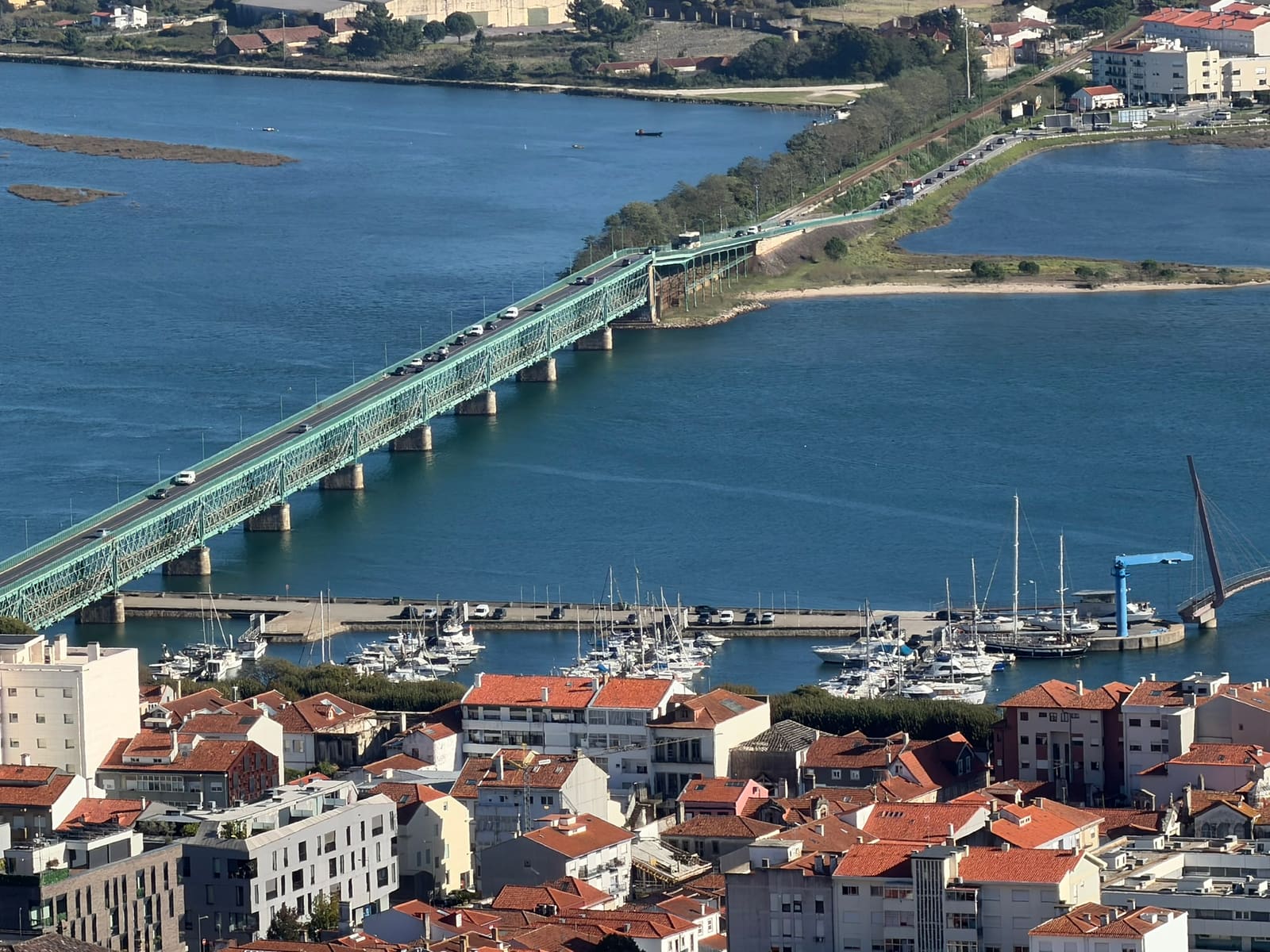
Marina de Viana from above the town, with the iron bridge over the River Lima. October 2026.
41°41′N 008°50′W
Viana do Castelo
Personal visit
A city at the mouth of the River Lima in northern Portugal; Marina de Viana lies inside the river, close to the town.
I visited Marina de Viana, introduced myself as a maritime vocational student and contacted the marina operator about a possible practical placement.
Status: Placement enquiry made — not confirmed. The operator has not confirmed or accepted a placement.
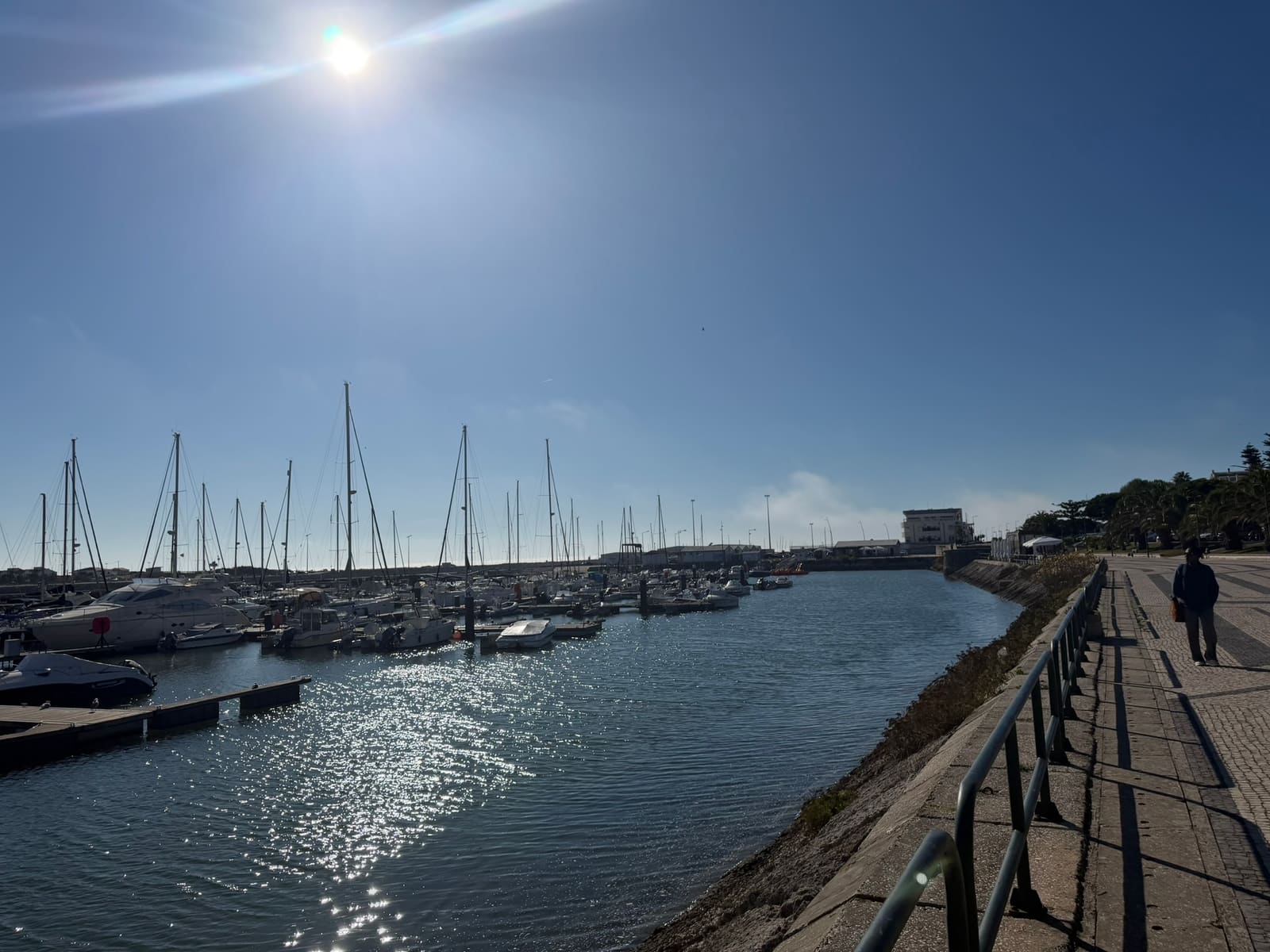
The marina basin from the waterfront promenade. October 2026.
40°09′N 008°52′W
Figueira da Foz
Personal visit
A town at the mouth of the River Mondego, where the marina sits just inside the river entrance.
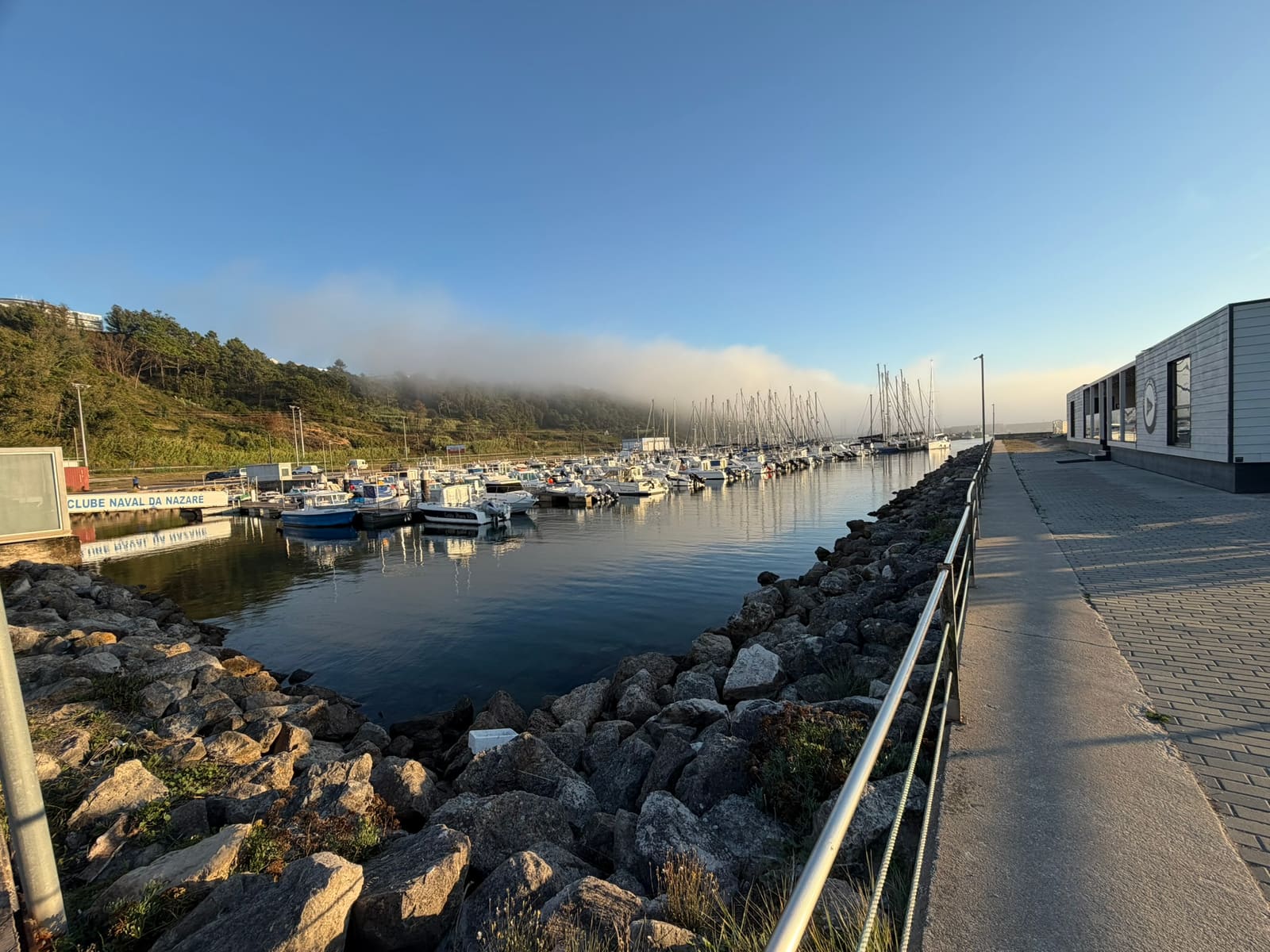
Morning mist over the marina at Nazaré. October 2026.
39°35′N 009°04′W
Nazaré
Personal visit
A fishing town on the open Atlantic; its harbour, south of the town, shelters fishing boats and visiting yachts.
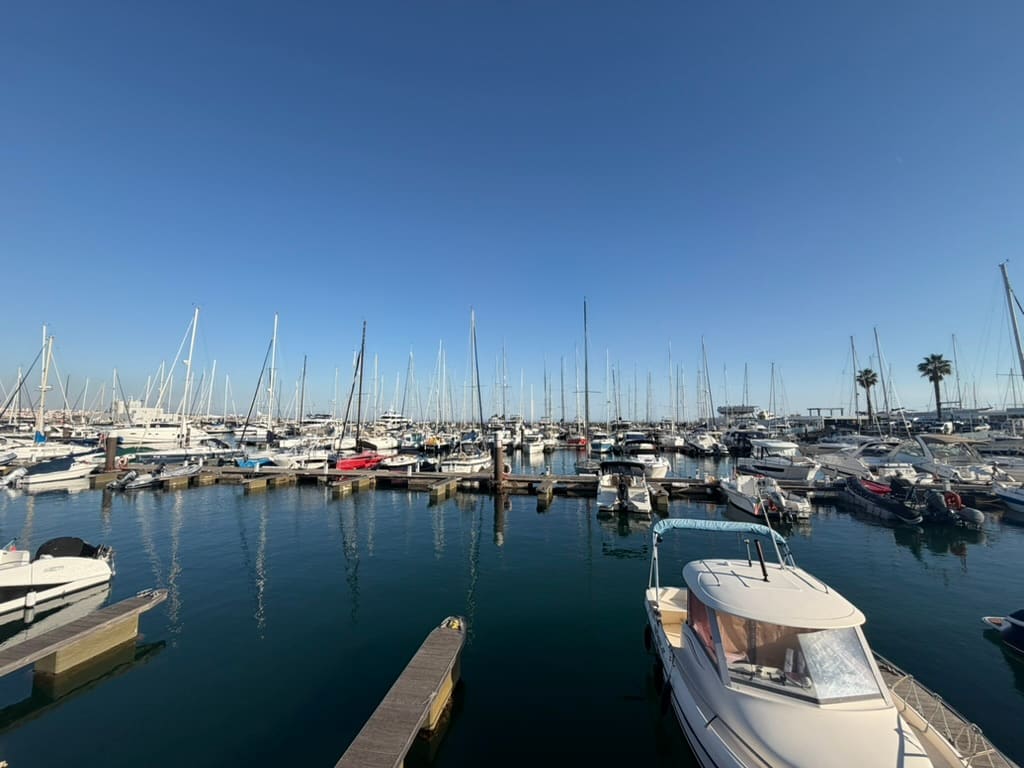
On the pontoons at Marina de Cascais. October 2026.
38°41′N 009°25′W
Cascais
Personal visit
West of Lisbon, at the mouth of the Tagus estuary, where Marina de Cascais lies beside the town.
Wales, United Kingdom
Conwy — a tidal harbour
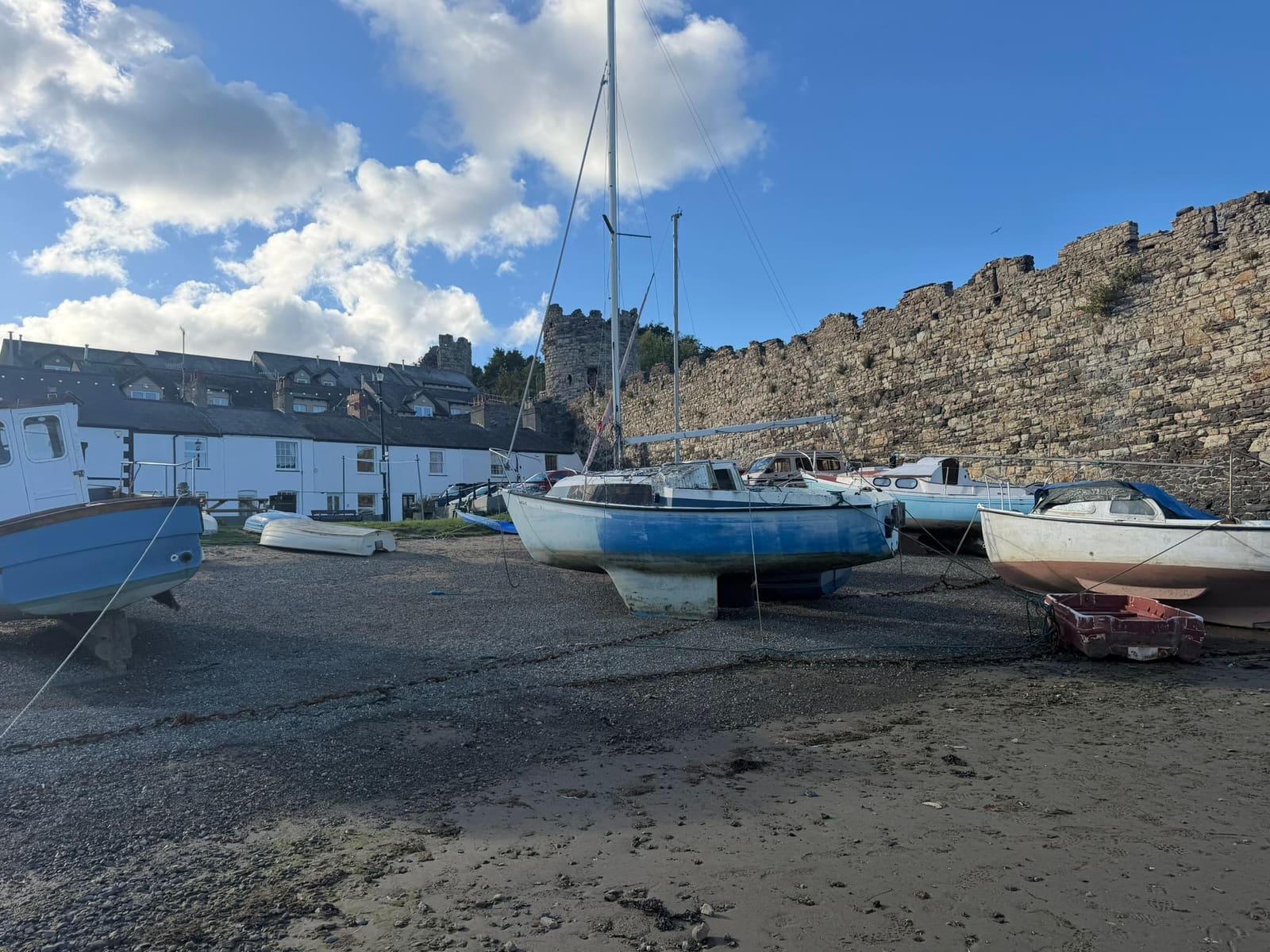
Low water at Conwy: boats sitting on the shingle beneath the town walls.
53°17′N 003°50′W
Conwy
Personal visit
A walled town on the estuary of the River Conwy in North Wales, with a working harbour on its quay.
I wanted to see a strongly tidal harbour at work: how the rise and fall of the tide shapes when boats can come and go, how they are moored, and how the harbour’s day is organised around it.
Conwy, North Wales
Tidal range in metres
The Baltic, at home
Tide a matter of centimetres
On this coast the tidal range is measured in metres. In the Baltic the tide is a matter of centimetres — the water level moves mostly with wind and air pressure — so a Baltic harbour is built and run on different assumptions.
Hara Bay lies on the Gulf of Finland coast of northern Estonia, between the Juminda and Pärispea peninsulas — the two peninsulas that give my volunteer rescue units their names.
Estonia is my sailing and maritime home: the Baltic coast where I keep Moi, train with volunteer rescue crews and, on the island of Hiiumaa, study how small harbours are run.
Home port
Moi’s berth is at Hara
Harbour side
Volunteer organiser of the Hara Regatta
Rescue
Juminda SAR and Pärispea SAR, on the peninsulas either side of the bay
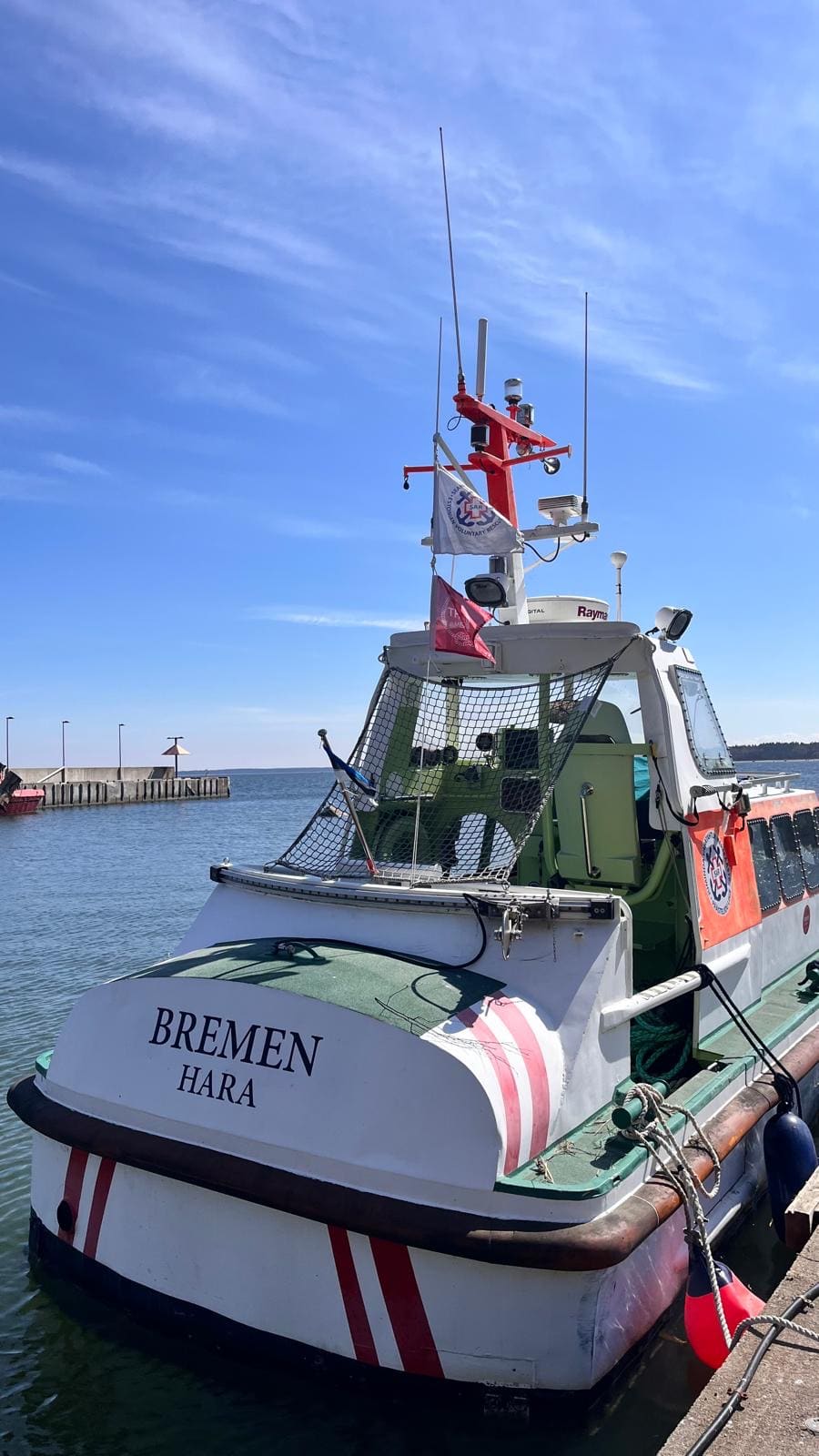
The rescue boat Bremen at her home port, Hara.
Where this portfolio has been
On the plotting sheet
Each place in this portfolio, plotted by latitude and longitude. No routes are drawn — these are places, not passages.
1Hara HarbourHome port of Moi · between Juminda and Pärispea59°35′N 025°37′E
2HiiumaaHarbour specialist studies, from 202658°54′N 022°36′E
3AmsterdamMETSTRADE, November 202652°20′N 004°53′E
4ConwyTidal harbour, North Wales53°17′N 003°50′W
5Viana do CasteloPortugal, October 202641°41′N 008°50′W
6Figueira da FozPortugal40°09′N 008°52′W
7NazaréPortugal39°35′N 009°04′W
8CascaisPortugal38°41′N 009°25′W
International maritime industry · 17–19 November 2026
METSTRADE 2026 — Amsterdam
METSTRADE (opens in a new tab)(https://www.metstrade.com) is an international trade exhibition for marine equipment and the recreational marine industry, held in Amsterdam.
I attended to meet people from across the industry, to learn where harbour infrastructure and marina operations are heading, and to build international maritime contacts.
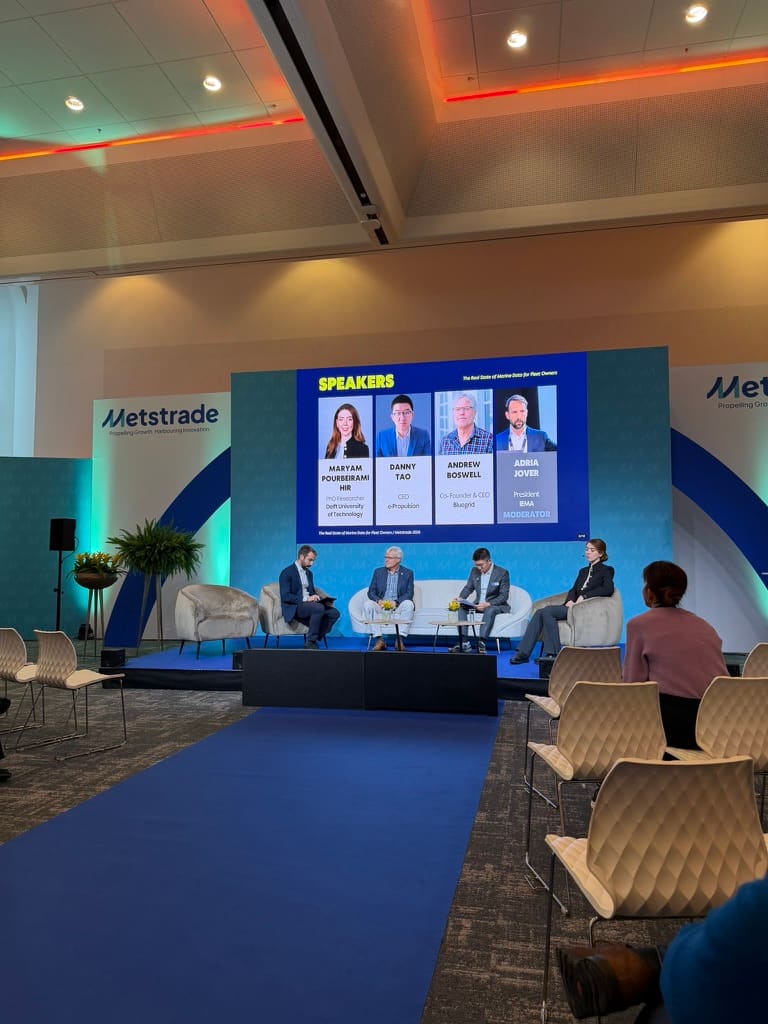
A METSTRADE 2026 panel: “The Real State of Marine Data for Fleet Owners”.
On the show floor: harbour infrastructure up close.
International Council of Marine Industry Associations — the international organisation representing national recreational marine industry associations.
Conversations about the recreational marine industry internationally, and how harbours and marinas fit within it.
https://www.icomia.org
Themes I followed
Navigation equipment and marine electronics
Marina management systems
Harbour infrastructure
Maritime data quality and interoperability
Marina operators’ operational requirements
Exploratory conversations to learn and make contacts — not partnerships or commercial agreements.
Business studies help me see a marina as what it also is: a service provider, an organisation with people and procedures, and a business that has to stay viable through the off-season.
My earlier career was in technology, most recently in site reliability engineering — the discipline of keeping critical systems running: preparation, written procedures, incident response and clear communication under pressure. They are the same habits harbour operations and sea rescue depend on.
Languages
EstonianNative
EnglishFluent
RussianA2
Erasmus+ · what I want to learn
From Harbour Visitor to Harbour Operations
I am seeking an Erasmus+ vocational placement in a working Portuguese marina.
Placement
A working marina in Portugal
Preferred period
April 2027
Duration
Approximately three weeks, subject to school and host arrangements
Programme
Erasmus+ vocational mobility, through my school
Learning objectives
1Daily marina and small craft harbour operations
2Vessel reception and berthing assistance
3Customer service for visiting sailing crews
4Harbour infrastructure and maintenance
5Maritime safety and emergency preparedness
6Environmental protection and pollution-response procedures
7Working alongside experienced harbour staff
How I want to learn
I want to learn by taking part in real operational work, under the supervision of the marina’s staff — on the pontoons, in the office and on the water, wherever the work is.
Why Portugal
Portugal’s Atlantic harbours work in conditions the Baltic does not have: tides of a few metres, ocean swell and river-mouth entrances. Learning there would show me harbour work I cannot see at home.
What I bring aboard
Estonian Small Craft Skipper Certificate and Marine VHF Short Range Certificate (SRC)
SAR Level I and II training, as a regular member of Juminda SAR and a guest member of Pärispea SAR
About 2,000 nautical miles under the keel so far, with hands-on berthing and mooring aboard Moi
Safe teamwork and practical seamanship, built on rescue crews and aboard my own yacht
After the placement
My longer-term goal is to bring what I learn back to small harbours in Estonia and the wider Baltic region.
My focus during the placement is to learn directly from experienced marina staff. I come as a vocational trainee: to take part in the daily work, follow the marina’s procedures and take home practical skills.
Let’s talk harbours.
I am interested in learning from experienced marina operators and building meaningful connections within the international maritime community.